

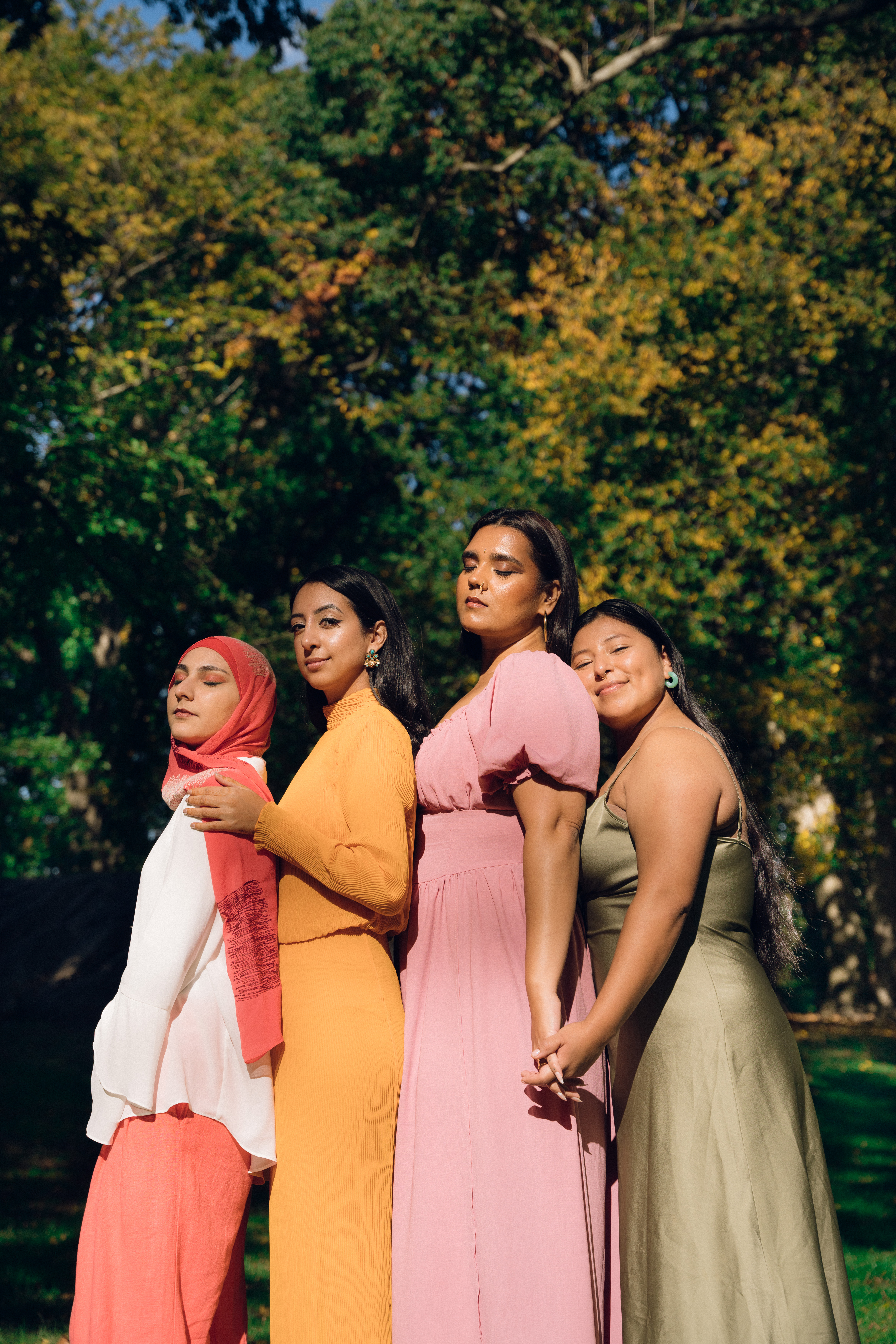


A note from our Founder & Editor in Chief
-

Interviewing Jyoti Patel, author of ‘The Things That We Lost’
This moving coming-of-age story explores what it means to be a person of colour in Britain today, discussing themes of identity and the stories that we tell ourselves to manage trauma. Paying homage to her Gujarati roots, The Things That We Lost is a beautifully tender exploration of family, loss, and the lengths we go Read more
-

What is it like to stay clear with Clearica?
Archana and Anuj Rathi come from a family that supplies colours, such as paints and inks, to businesses in India, but they wanted to try something different, something like skincare. A biotech company in the USA named PhytoPharmacon (PPI) which carried out pathbreaking research into botanicals and had created a massive library of around 4,500 Read more
-

How Hair Veda Connects The Past With the Present
Before Aneeka Chauhan built Hair Veda, she studied Optometry at university and was practising as a qualified optometrist. As an optometrist she would constantly be working with patients, helping them with their sight and eye health. She decided to become a contractor in this field as it allowed her to have the flexibility to work Read more
-

Cancer Never Forgets Your Address
The movies got it wrong. That was all I could think about on my three-hour flight back home to Philadelphia. My parents and I had made an emergency trip to Dallas after a wallet size mass was found in my brother’s lungs. It was two weeks before my sophomore year of college when my brother Read more
-

How the culture of eating meat links to patriarchal masculinity
Food is political. It can bring communities together. It can also shape different aspects of our identities, often with or without our conscious knowing. In my community, particularly with the men who are ex-Gurkhas or in service, there is a culture of cooking meat outside on an open fire and eating it together. Picture a Read more
-

Status Symbols in India and their Colonial Roots – Part I: Colorism
Featured Illustration: Uday Deb The roots of colonialism in India have been firmly in place since 1858, when the British Raj came to power. India was completely transformed, and even since its independence in 1947, the country’s colonial past is apparent in the everyday lives of all Indians. A country that was built on a Read more